
What readers should know before understanding visitor questions
A detailed timeline article about understanding visitor questions for readers interested in Lifestyle.
Destination notes, trip ideas and practical travel planning pages.
A detailed timeline article about understanding visitor questions for readers interested in Lifestyle.

A detailed steps article about organizing project notes for readers interested in Lifestyle.

n
This article takes a practical look at making a complete checklist for visitors interested in Lifestyle. Instead of repeating the same general advice, it separates the topic into decisions, examples, risks, and review points.
Comparison articles are useful when a topic has several paths. For making a complete checklist, the strongest approach is to compare options by purpose rather than by appearance. A page can look polished and still leave out the detail that matters most to the reader.
| Option | Best use | Risk |
|---|---|---|
| Quick choice | When the problem is simple and low risk | Missing important details |
| Detailed review | When cost, trust, or time matters | Taking too long without deciding |
| Expert source | When the topic requires experience | Accepting advice without context |
The best option is the one that matches the reader goal, not the one with the strongest marketing language. A careful comparison should use the same criteria for every option. That makes the final choice easier to trust.
For readers of Angiesmith, the most useful habit is to keep notes specific. A specific note is easier to verify, easier to update, and easier to connect with related articles in the Local Notes section.
The purpose of this article is not to make the topic look complicated. The purpose is to slow the reader down enough to make a better choice. A clear article gives context, shows trade-offs, and leaves the visitor with a next step that is easy to understand.
For a practical reader, the best habit is to keep notes short but meaningful: one question, one example, one risk, and one next action. That simple structure makes information easier to compare and easier to update later.
A useful page should answer the questions that appear after the first paragraph, not only the question in the title. Readers want to know what matters first, what can wait, and which details should be checked before taking action. This section adds those practical checks so the article works as a reference rather than a short note.
For a practical reader, the best habit is to keep notes short but meaningful: one question, one example, one risk, and one next action. That simple structure makes information easier to compare and easier to update later.
A trustworthy resource is specific. It explains limits, uses examples, and avoids promising that one solution fits every situation. When a reader compares information about Lifestyle, these signals make the difference between a page that looks complete and a page that actually helps.
For a practical reader, the best habit is to keep notes short but meaningful: one question, one example, one risk, and one next action. That simple structure makes information easier to compare and easier to update later.
The easiest way to use this article is to turn it into a small action list. Save the strongest point, compare it with one other source, then decide whether the advice still fits the reader goal. That method keeps the information practical even when the topic changes.
For a practical reader, the best habit is to keep notes short but meaningful: one question, one example, one risk, and one next action. That simple structure makes information easier to compare and easier to update later.
Older notes can stay useful when they are reviewed. Dates, examples, links, prices, names, and contact details should be checked from time to time. Angiesmith treats this kind of review as part of the article, because a page that never changes can slowly become less helpful.
For a practical reader, the best habit is to keep notes short but meaningful: one question, one example, one risk, and one next action. That simple structure makes information easier to compare and easier to update later.
The purpose of this article is not to make the topic look complicated. The purpose is to slow the reader down enough to make a better choice. A clear article gives context, shows trade-offs, and leaves the visitor with a next step that is easy to understand.
For a practical reader, the best habit is to keep notes short but meaningful: one question, one example, one risk, and one next action. That simple structure makes information easier to compare and easier to update later.
A useful page should answer the questions that appear after the first paragraph, not only the question in the title. Readers want to know what matters first, what can wait, and which details should be checked before taking action. This section adds those practical checks so the article works as a reference rather than a short note.
For a practical reader, the best habit is to keep notes short but meaningful: one question, one example, one risk, and one next action. That simple structure makes information easier to compare and easier to update later.
A trustworthy resource is specific. It explains limits, uses examples, and avoids promising that one solution fits every situation. When a reader compares information about Lifestyle, these signals make the difference between a page that looks complete and a page that actually helps.
For a practical reader, the best habit is to keep notes short but meaningful: one question, one example, one risk, and one next action. That simple structure makes information easier to compare and easier to update later.
The easiest way to use this article is to turn it into a small action list. Save the strongest point, compare it with one other source, then decide whether the advice still fits the reader goal. That method keeps the information practical even when the topic changes.
For a practical reader, the best habit is to keep notes short but meaningful: one question, one example, one risk, and one next action. That simple structure makes information easier to compare and easier to update later.
Older notes can stay useful when they are reviewed. Dates, examples, links, prices, names, and contact details should be checked from time to time. Angiesmith treats this kind of review as part of the article, because a page that never changes can slowly become less helpful.
For a practical reader, the best habit is to keep notes short but meaningful: one question, one example, one risk, and one next action. That simple structure makes information easier to compare and easier to update later.

A detailed faq article about reviewing trusted resources for readers interested in Lifestyle.

A detailed resource_roundup article about collecting reliable sources for readers interested in Lifestyle.

n
A good resource should help the reader think, not just fill space. The notes below explain reading expert opinions through a structured approach that can be used for planning, comparison, and later updates.
The deeper issue behind reading expert opinions is that readers often need a system, not only an answer. A system helps them repeat the same good decision process in a new situation.
Separate facts from opinions, current details from older notes, and general advice from instructions. This makes the article easier to update and easier to trust.
Examples turn advice into something visible. They show what the idea looks like when a normal reader tries to use it.
For readers of Angiesmith, the most useful habit is to keep notes specific. A specific note is easier to verify, easier to update, and easier to connect with related articles in the Archive section.
The purpose of this article is not to make the topic look complicated. The purpose is to slow the reader down enough to make a better choice. A clear article gives context, shows trade-offs, and leaves the visitor with a next step that is easy to understand.
For a practical reader, the best habit is to keep notes short but meaningful: one question, one example, one risk, and one next action. That simple structure makes information easier to compare and easier to update later.
A useful page should answer the questions that appear after the first paragraph, not only the question in the title. Readers want to know what matters first, what can wait, and which details should be checked before taking action. This section adds those practical checks so the article works as a reference rather than a short note.
For a practical reader, the best habit is to keep notes short but meaningful: one question, one example, one risk, and one next action. That simple structure makes information easier to compare and easier to update later.
A trustworthy resource is specific. It explains limits, uses examples, and avoids promising that one solution fits every situation. When a reader compares information about Lifestyle, these signals make the difference between a page that looks complete and a page that actually helps.
For a practical reader, the best habit is to keep notes short but meaningful: one question, one example, one risk, and one next action. That simple structure makes information easier to compare and easier to update later.
The easiest way to use this article is to turn it into a small action list. Save the strongest point, compare it with one other source, then decide whether the advice still fits the reader goal. That method keeps the information practical even when the topic changes.
For a practical reader, the best habit is to keep notes short but meaningful: one question, one example, one risk, and one next action. That simple structure makes information easier to compare and easier to update later.
The purpose of this article is not to make the topic look complicated. The purpose is to slow the reader down enough to make a better choice. A clear article gives context, shows trade-offs, and leaves the visitor with a next step that is easy to understand.
For a practical reader, the best habit is to keep notes short but meaningful: one question, one example, one risk, and one next action. That simple structure makes information easier to compare and easier to update later.
A useful page should answer the questions that appear after the first paragraph, not only the question in the title. Readers want to know what matters first, what can wait, and which details should be checked before taking action. This section adds those practical checks so the article works as a reference rather than a short note.
For a practical reader, the best habit is to keep notes short but meaningful: one question, one example, one risk, and one next action. That simple structure makes information easier to compare and easier to update later.
A trustworthy resource is specific. It explains limits, uses examples, and avoids promising that one solution fits every situation. When a reader compares information about Lifestyle, these signals make the difference between a page that looks complete and a page that actually helps.
For a practical reader, the best habit is to keep notes short but meaningful: one question, one example, one risk, and one next action. That simple structure makes information easier to compare and easier to update later.
The easiest way to use this article is to turn it into a small action list. Save the strongest point, compare it with one other source, then decide whether the advice still fits the reader goal. That method keeps the information practical even when the topic changes.
For a practical reader, the best habit is to keep notes short but meaningful: one question, one example, one risk, and one next action. That simple structure makes information easier to compare and easier to update later.

A detailed case_study article about finding better examples for readers interested in Lifestyle.
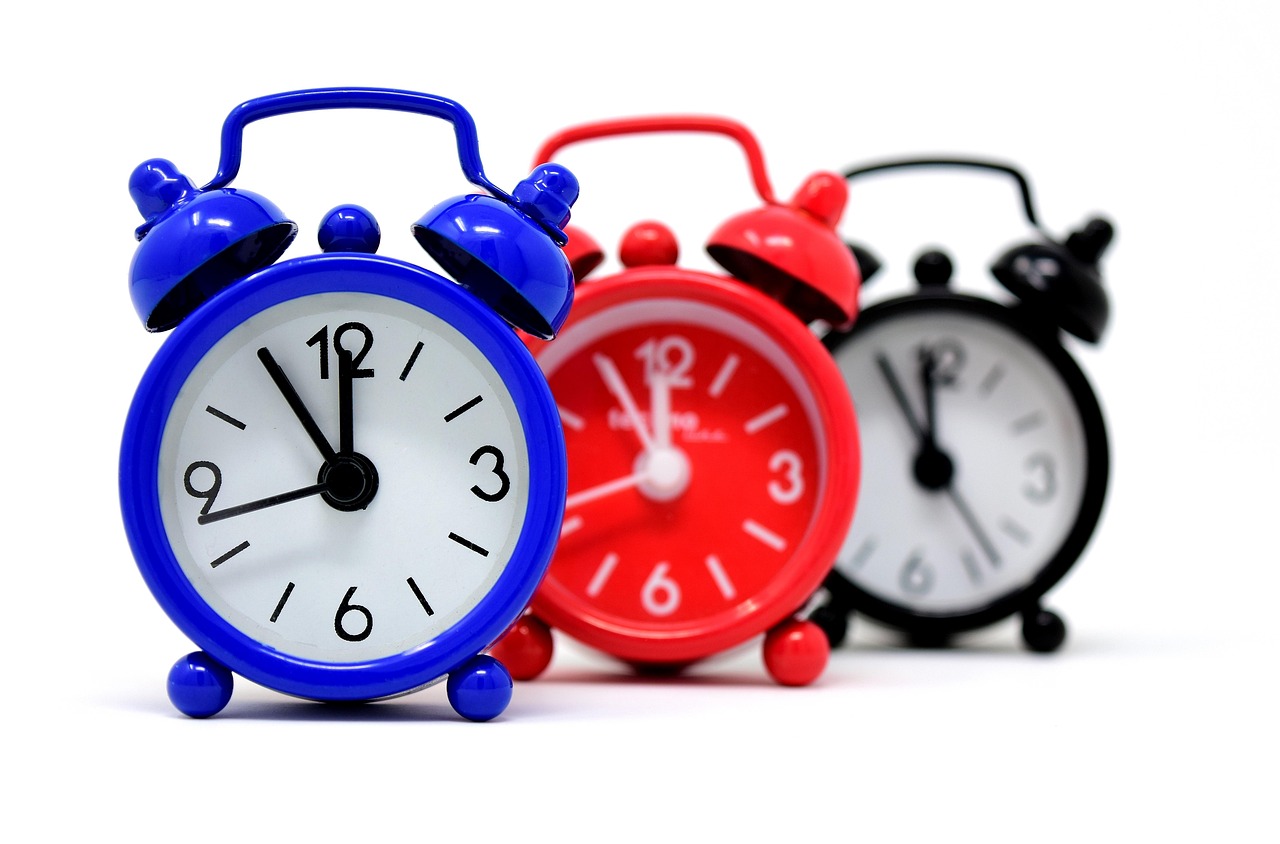
A detailed comparison article about saving time online for readers interested in Lifestyle.

n
This article takes a practical look at evaluating local information for visitors interested in Lifestyle. Instead of repeating the same general advice, it separates the topic into decisions, examples, risks, and review points.
The difficulty is not always the topic itself. It is the amount of scattered information around it. Readers need a way to separate useful detail from noise.
Check whether the advice explains who it is for. Good information usually has a clear audience, a clear limit, and a realistic example.
The next step is to compare two sources and write down the difference between them. That small action often reveals which source is more useful.
For readers of Angiesmith, the most useful habit is to keep notes specific. A specific note is easier to verify, easier to update, and easier to connect with related articles in the Resources section.
Older notes can stay useful when they are reviewed. Dates, examples, links, prices, names, and contact details should be checked from time to time. Angiesmith treats this kind of review as part of the article, because a page that never changes can slowly become less helpful.
For a practical reader, the best habit is to keep notes short but meaningful: one question, one example, one risk, and one next action. That simple structure makes information easier to compare and easier to update later.
The purpose of this article is not to make the topic look complicated. The purpose is to slow the reader down enough to make a better choice. A clear article gives context, shows trade-offs, and leaves the visitor with a next step that is easy to understand.
For a practical reader, the best habit is to keep notes short but meaningful: one question, one example, one risk, and one next action. That simple structure makes information easier to compare and easier to update later.
A useful page should answer the questions that appear after the first paragraph, not only the question in the title. Readers want to know what matters first, what can wait, and which details should be checked before taking action. This section adds those practical checks so the article works as a reference rather than a short note.
For a practical reader, the best habit is to keep notes short but meaningful: one question, one example, one risk, and one next action. That simple structure makes information easier to compare and easier to update later.
A trustworthy resource is specific. It explains limits, uses examples, and avoids promising that one solution fits every situation. When a reader compares information about Lifestyle, these signals make the difference between a page that looks complete and a page that actually helps.
For a practical reader, the best habit is to keep notes short but meaningful: one question, one example, one risk, and one next action. That simple structure makes information easier to compare and easier to update later.
The easiest way to use this article is to turn it into a small action list. Save the strongest point, compare it with one other source, then decide whether the advice still fits the reader goal. That method keeps the information practical even when the topic changes.
For a practical reader, the best habit is to keep notes short but meaningful: one question, one example, one risk, and one next action. That simple structure makes information easier to compare and easier to update later.
Older notes can stay useful when they are reviewed. Dates, examples, links, prices, names, and contact details should be checked from time to time. Angiesmith treats this kind of review as part of the article, because a page that never changes can slowly become less helpful.
For a practical reader, the best habit is to keep notes short but meaningful: one question, one example, one risk, and one next action. That simple structure makes information easier to compare and easier to update later.
The purpose of this article is not to make the topic look complicated. The purpose is to slow the reader down enough to make a better choice. A clear article gives context, shows trade-offs, and leaves the visitor with a next step that is easy to understand.
For a practical reader, the best habit is to keep notes short but meaningful: one question, one example, one risk, and one next action. That simple structure makes information easier to compare and easier to update later.
A useful page should answer the questions that appear after the first paragraph, not only the question in the title. Readers want to know what matters first, what can wait, and which details should be checked before taking action. This section adds those practical checks so the article works as a reference rather than a short note.
For a practical reader, the best habit is to keep notes short but meaningful: one question, one example, one risk, and one next action. That simple structure makes information easier to compare and easier to update later.
A trustworthy resource is specific. It explains limits, uses examples, and avoids promising that one solution fits every situation. When a reader compares information about Lifestyle, these signals make the difference between a page that looks complete and a page that actually helps.
For a practical reader, the best habit is to keep notes short but meaningful: one question, one example, one risk, and one next action. That simple structure makes information easier to compare and easier to update later.
The easiest way to use this article is to turn it into a small action list. Save the strongest point, compare it with one other source, then decide whether the advice still fits the reader goal. That method keeps the information practical even when the topic changes.
For a practical reader, the best habit is to keep notes short but meaningful: one question, one example, one risk, and one next action. That simple structure makes information easier to compare and easier to update later.

A detailed editorial article about comparing service options for readers interested in Lifestyle.

A detailed roadmap article about preparing a buying guide for readers interested in Lifestyle.

n
Angiesmith publishes this article for readers who need more than a quick answer about maintaining a small website. The aim is to explain the topic slowly, show where mistakes usually happen, and give the reader a usable method that can be checked again later.
People often begin with a broad search and then save too many similar pages. The useful step is to group those pages by purpose: explanation, comparison, example, and contact.
Specific examples are more valuable than generic claims. If an article explains how a choice works in one realistic situation, the reader can adapt that lesson more easily.
The best pages leave room for doubt. They explain what is known, what is unclear, and what should be checked again before making a final decision.
For readers of Angiesmith, the most useful habit is to keep notes specific. A specific note is easier to verify, easier to update, and easier to connect with related articles in the Ideas section.
Older notes can stay useful when they are reviewed. Dates, examples, links, prices, names, and contact details should be checked from time to time. Angiesmith treats this kind of review as part of the article, because a page that never changes can slowly become less helpful.
For a practical reader, the best habit is to keep notes short but meaningful: one question, one example, one risk, and one next action. That simple structure makes information easier to compare and easier to update later.
The purpose of this article is not to make the topic look complicated. The purpose is to slow the reader down enough to make a better choice. A clear article gives context, shows trade-offs, and leaves the visitor with a next step that is easy to understand.
For a practical reader, the best habit is to keep notes short but meaningful: one question, one example, one risk, and one next action. That simple structure makes information easier to compare and easier to update later.
A useful page should answer the questions that appear after the first paragraph, not only the question in the title. Readers want to know what matters first, what can wait, and which details should be checked before taking action. This section adds those practical checks so the article works as a reference rather than a short note.
For a practical reader, the best habit is to keep notes short but meaningful: one question, one example, one risk, and one next action. That simple structure makes information easier to compare and easier to update later.
A trustworthy resource is specific. It explains limits, uses examples, and avoids promising that one solution fits every situation. When a reader compares information about Lifestyle, these signals make the difference between a page that looks complete and a page that actually helps.
For a practical reader, the best habit is to keep notes short but meaningful: one question, one example, one risk, and one next action. That simple structure makes information easier to compare and easier to update later.
Older notes can stay useful when they are reviewed. Dates, examples, links, prices, names, and contact details should be checked from time to time. Angiesmith treats this kind of review as part of the article, because a page that never changes can slowly become less helpful.
For a practical reader, the best habit is to keep notes short but meaningful: one question, one example, one risk, and one next action. That simple structure makes information easier to compare and easier to update later.
The purpose of this article is not to make the topic look complicated. The purpose is to slow the reader down enough to make a better choice. A clear article gives context, shows trade-offs, and leaves the visitor with a next step that is easy to understand.
For a practical reader, the best habit is to keep notes short but meaningful: one question, one example, one risk, and one next action. That simple structure makes information easier to compare and easier to update later.
A useful page should answer the questions that appear after the first paragraph, not only the question in the title. Readers want to know what matters first, what can wait, and which details should be checked before taking action. This section adds those practical checks so the article works as a reference rather than a short note.
For a practical reader, the best habit is to keep notes short but meaningful: one question, one example, one risk, and one next action. That simple structure makes information easier to compare and easier to update later.
A trustworthy resource is specific. It explains limits, uses examples, and avoids promising that one solution fits every situation. When a reader compares information about Lifestyle, these signals make the difference between a page that looks complete and a page that actually helps.
For a practical reader, the best habit is to keep notes short but meaningful: one question, one example, one risk, and one next action. That simple structure makes information easier to compare and easier to update later.